

Are We Missing the Mark? Rethinking Desire, Protection & Body Types in Marketing
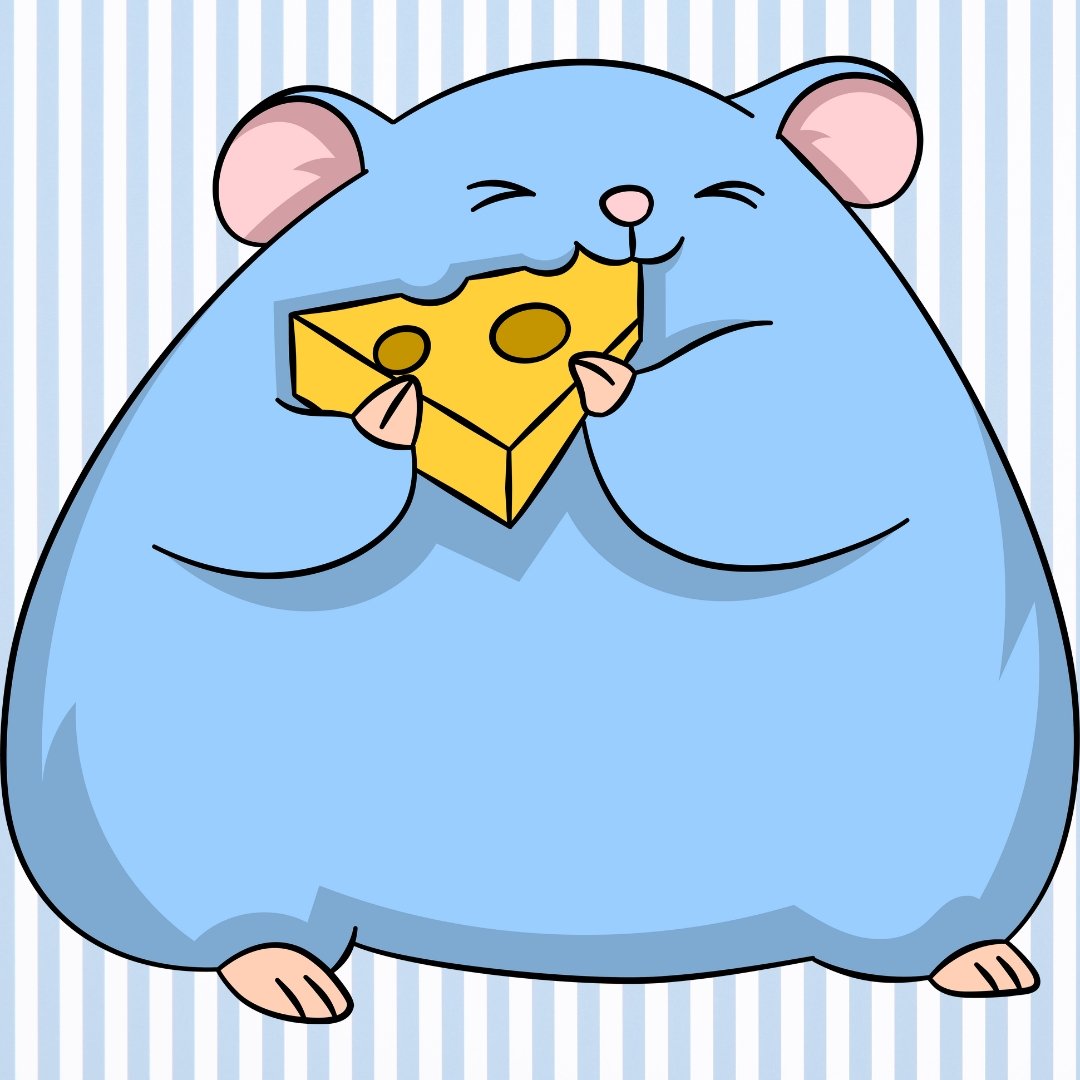
This is just an idea worth pondering, a curious correlation between women’s body types and the different phases of relationships.
It’s been said for centuries, sometimes playfully and other times critically: “Marriage makes women fat.” But what if we’ve got the cause and effect completely backwards?
Take a moment to look around. Have you noticed how many married women seem... happy? Relaxed? Maybe even a little chubby? Now compare that to the exhausted complaints of your stunning single friend who can’t get a man to commit. She might turn heads all day long, but when it comes to loyalty, things often fall apart.
Could it be that men are hardwired to respond to different body types in different ways?
What if slimness, so often equated with sex appeal and control, primarily triggers short-term desire in men? And what if softness, roundness, even chubbiness, triggers a different instinct altogether: the drive to protect, nurture, and stay?
This isn’t to say that only one body type is attractive, or that relationships follow simple rules. But from a marketing perspective, it raises an interesting question:
Have we been selling the wrong idea of love?
The Emotional Signals of Body Types
In most marketing, thinness is the default image of desirability. It’s paired with sex, success, self-discipline, and even freedom. But historically, fullness and softness have symbolized abundance, fertility, warmth, and trust. These are qualities we often associate with long-term emotional security.
So maybe the real disconnect isn’t just about how people look, it’s about how we interpret desire, partnership, and stability.
Some researchers and social observers suggest that men may subconsciously link chubbiness with care, comfort, and emotional grounding, the same way we instinctively protect infants or loved ones in need. That protective instinct may foster deeper attachment, and in turn, make men more likely to commit.
Meanwhile, leaner physiques, while often admired, might evoke a different response: attraction, status signaling, or short-term conquest. It’s the classic “he can’t stop staring, but he won’t stick around” dilemma.
What This Means for Marketing
If you're in branding or campaign strategy, this insight opens up a bold new question:
💡 Are we only appealing to the part of human nature that lusts, but ignoring the part that loves?
Marketing tends to flatten people into trends. Thin sells. Hot sells. Confidence sells, but only when it looks a certain way. Yet real human behavior is layered and contradictory.
People crave both intimacy and excitement. They want to feel seen, safe, desired, and understood, not just visually stimulated.
So, what happens when we start using images of chubby women not as side characters, comic relief, or "before" photos, but as symbols of love, safety, and loyalty?
A New Opportunity
👉 What stories are we really telling about attraction, partnership, and belonging?
👉 Are we reinforcing surface-level beauty standards, or speaking to something deeper?
👉 What could happen if brands embraced these emotional undercurrents, and built campaigns around real connection, not just appearance?
The future of marketing lies in storytelling that reflects the messiness and magic of real life. That includes shifting how we portray beauty, desire, and commitment.
Because marketing that resonates isn’t always polished. It’s often real.
And maybe, just maybe, real looks a little softer than we’ve been taught to expect.
© MaeWeMedia 2025
